What Is Kefir? Health Benefits and Nutritional Facts

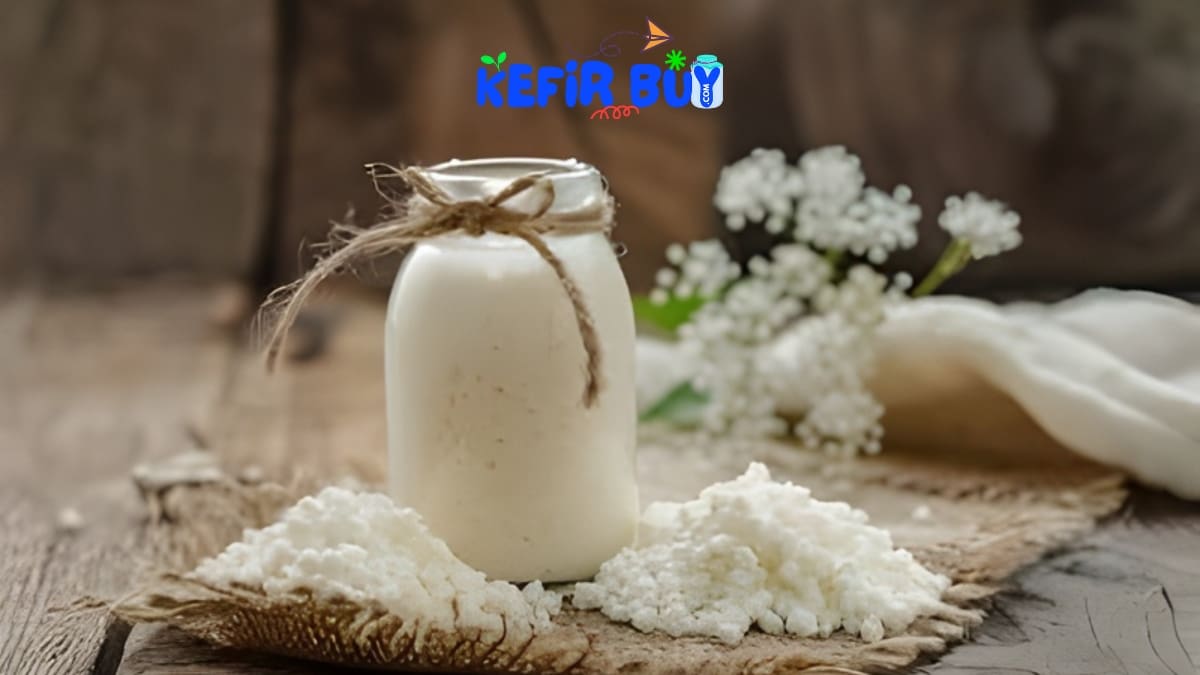
Kefir is a dairy fermented food item that has been consumed since the beginning of time because of its beneficial health effects and probiotic benefits. It is a product that originated from the Caucasus Mountains, kefir is produced by the fermentation of milk using kefir grains that are the unique combination of yeast and bacteria. This produces a tart drink that is slightly fizzy and that is packed with vital nutrients as well as probiotics. It is renowned for its capacity to aid digestion, boost the immune system, as well as boost overall wellness Kefir has experienced a surge in acceptance in recent years.
In this post we’ll look at the history of kefir and its nutritional benefits as well as the process of making it as well as its many health benefits.
The Origins and History of Kefir
The term “kefir” comes from the Turkish word “keyif,” which means “feeling good after eating.” Kefir has been a mainstay in the diets of the Caucasus region for a long time in the belief that it could to promote the longevity of people and a healthy. The herders of the nomadic world discovered that keeping the milk in pouches made of leather as well as animal skin pouches together with the kefir grains caused fermentation that resulted in a thick, tangy drink that was nutritious and simple to digest.
Kefir grains were considered to be a holy offering, and the production procedure was carefully secured. In time the kefir plant expanded over the Caucasus region and reached Russia and various parts of Europe prior to gaining fame throughout the world. Nowadays, it’s found in both grocery stores as well as health food stores and is known for its benefits to health.
How Is Kefir Made?
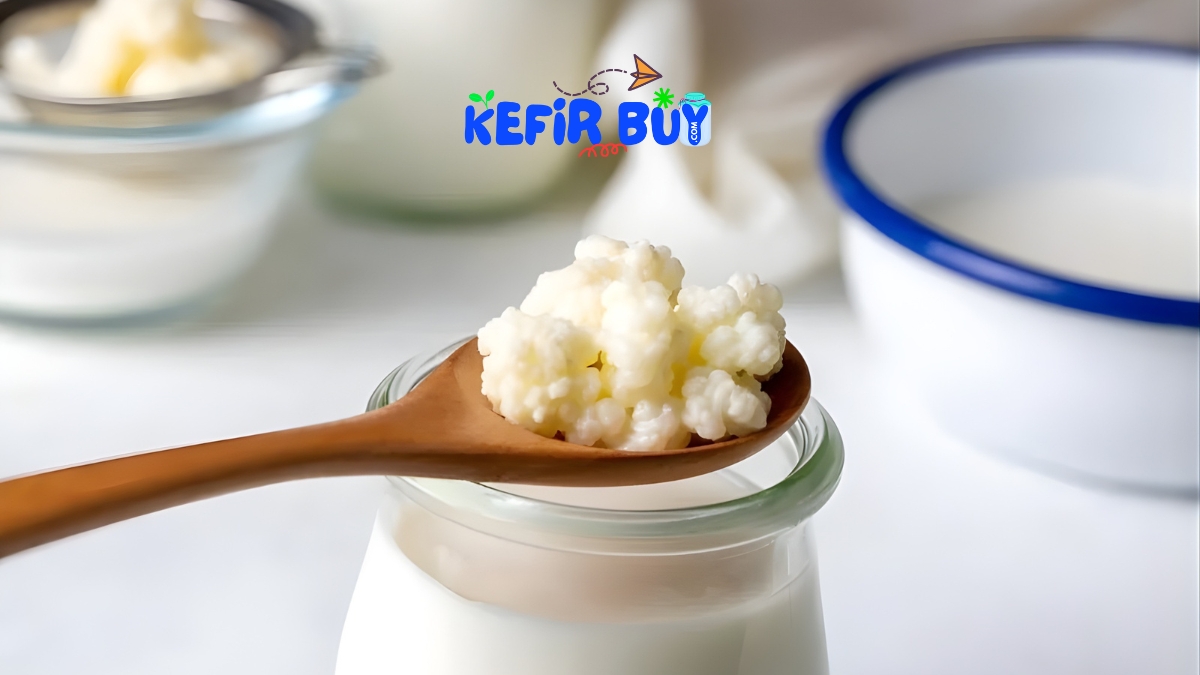
The process of making kefir involves mixing kefir grains with milk, and then letting it ferment at the room temperature. The process of fermentation typically lasts between 12 and 48 hours in which beneficial yeast and bacteria that live inside the grains degrade lactose into carbon dioxide and lactic acid. The result is the kefir’s distinctive slightly effervescent taste, and tangy flavor.
The procedure of making kefir requires only a few steps:
- Add Kefir grain to milk Kefir traditionally is made from cow’s milk. But sheep’s or goat’s milk or other non-dairy options such as almond milk or coconut are also a possibility.
- Fermentation is when the mixture can be left at room temperatures for 12 to 48 hours in order to let it ferment. The probiotics grow as the milk thickens into a thick consistency.
- The process of straining the Kefir When fermentation is completed, Kefir grains are removed, to be reused in future batches. The resultant liquid is now drinking ready.
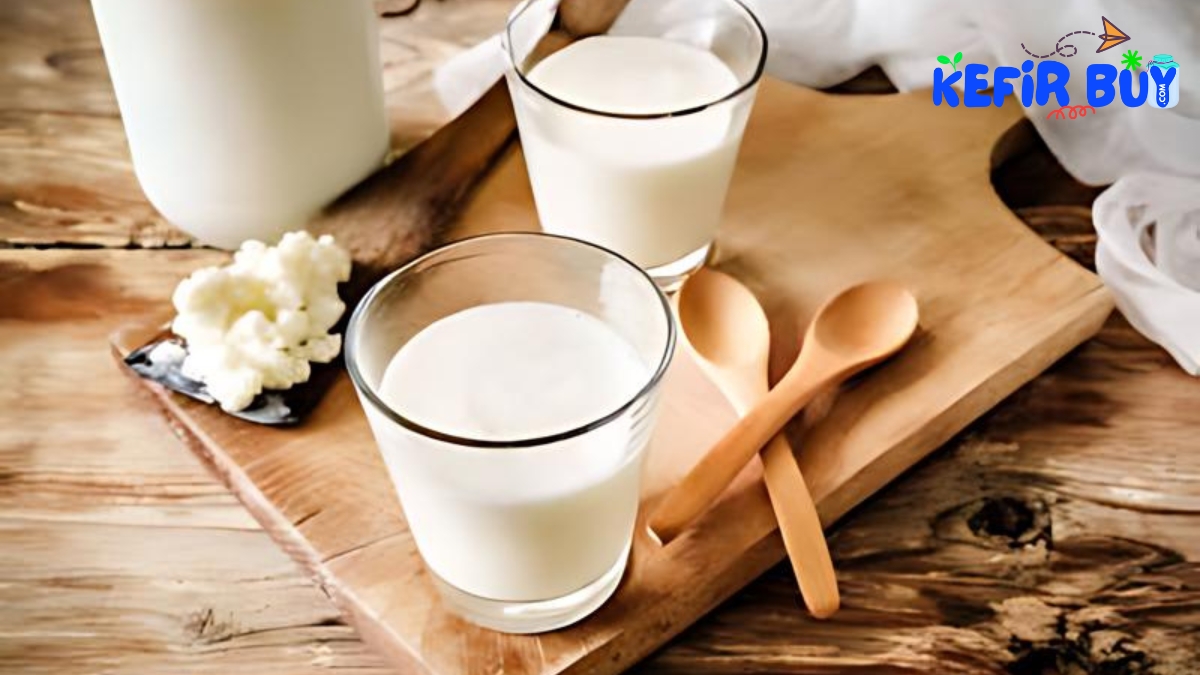
Kefir can be drunk in its natural form or with fruits, honey or even spices. Kefir is frequently used to make salad dressings, smoothies and even baking recipes.
Nutritional Benefits of Kefir
Kefir is a beverage that’s high in nutrients that is rich in probiotics, minerals and vitamins. A few of the most essential ingredients found in kefir are:
- Probiotics Kefir has a range of beneficial bacteria including Lactobacillus Kefiri as well as Bifidobacterium that aid in the health of your gut and aid in digestion.
- Protein: A cup of kefir is the highest quality protein needed for the growth of muscles and for repair.
- Magnesium and Calcium – These minerals are essential for healthy bones, healthy nerves, as well as cardiovascular well-being.
- B Vitamins Kefir Kefir is a great food source for B vitamins, which aid to boost energy levels as well as brain function and red blood cell development.
- Vitamin K2 is vital to maintain bone health as well as preventing calcium accumulation in arteries.
Due to its fermenting process, kefir less lactose-rich than normal milk, which makes it much easier for people suffering from lactose intolerance.
Health Benefits of Kefir
1. Supports Gut Health and Digestion
Kefir is among the best natural sources for probiotics that help to maintain the balance of gut microbiome. The beneficial bacteria help digestion, ease bloating and help prevent issues with digestion like constipation or diarrhea.
2. Strengthens the Immune System
Kefir’s probiotics are essential to helping to boost immune function. They aid in fighting harmful viruses and bacteria through strengthening your body’s defenses. Furthermore, kefir contains bioactive compounds which have antimicrobial qualities.
3. Improves Bone Health
Due to its rich calcium content and vitamin K2 levels Kefir is a great way to maintain strong bones, and could lower the risk of developing osteoporosis. Kefir consumption regularly could contribute to a better bone density, and general skeletal well-being.
4. Aids in Lactose Digestion
A lot of people with lactose-intolerant issues discover that they can consume Kefir with no discomfort. It is due to the fact that the fermentation process helps break down lactose making it much easier to digest. Kefir can be a fantastic alternative to those with difficulties digesting regular dairy products.
5. Could help with weight management
Kefir is an extremely filling and high in nutrients, and can aid in weight loss. Probiotics and protein found in kefir help with the feeling of fullness, which reduces overall calories consumption. Kefir can also help regulate metabolism and supports healthy digestion.
6. Supports Mental Health
The evidence is increasing that gut health can be linked to mental wellbeing. Kefir’s probiotics may improve mental health and cognition because they affect the gut-brain connection. Certain studies have suggested that eating probiotics may help to reduce the depression and anxiety symptoms.
Different Types of Kefir
Kefir made from dairy is most popular however, there are many varieties available:
- Water Kefir is made by the fermentation of sugar coconut or water in the grains of water kefir, it is an alternative to dairy that offers similar benefits for probiotics.
- Coconut Milk Kefir is an alternative to dairy that is made by brewing coconut milk and Kefir grains. It gives the same flavor but with a different texture.
- Flavored Kefir Commercial companies offer flavor-infused kefir like vanilla, berry or chocolate. However, they may also contain sugars added.
How do you incorporate Kefir into your diet
There are several ways to take advantage of kefir other than drinking it
- Blend it up into smoothies using fruit and nuts to make healthy breakfast.
- Make it the base of salad dressings and marinades.
- You can substitute it for buttermilk in recipes for baking, such as pancakes or muffins.
- Mix it up with oats as well as chia seeds for nutritious, probiotic-rich oatmeal for the night.
- Drink it by sipping it as a refreshing beverage and drizzle it with cinnamon or honey.
Conclusion
Kefir is tasty, versatile, and extremely nutritious drink which has many health advantages. Probiotics are a key ingredient that aids in gut health, improves your immune system enhances digestion and improves overall health. If you opt for traditional milk kefir, or an alternative that is dairy-free, including Kefir into your daily diet could be a straightforward and beneficial means to increase the health of your body.
If you’ve never had the pleasure of kefir, this is the perfect moment to give this superfood another try! digestion support, immunity health as well as its wonderful taste. Kefir is an excellent supplement to your eating plan.